The film’s atmosphere demanded a visual approach that was intimate, raw, and unadorned — and the low budget pushed me to make bold choices early on that ultimately defined the entire visual language.
From the start, I chose to shoot the film in black and white and with two cameras. These weren’t aesthetic decisions at first - they were survival decisions. With a tight schedule and several non-actors, we often captured the truest performance on the first take, so having two cameras running at once preserved those irreplaceable moments. Black and white, meanwhile, freed us from battles over colour and helped us concentrate on light, shape, and emotional clarity. It also placed the film within a long history of vérité photography and poetic cinema — a lineage that matched the film’s mixture of realism and lyricism.
“Poignant, hard-hitting indie filmmaking.”
The Interrogation Scene
One of the clearest examples of these decisions working together is the interrogation scene - the very first thing we shot.
We filmed it in a tiny room in Dana Goldberg’s apartment. The shot is a tight close-up of Samira Saraya as Yasmin, seated against a plain white background, being interrogated by a policeman we never see. The lighting is simple: everything draws the eye straight to her face leaving her vulnerable and exposed.
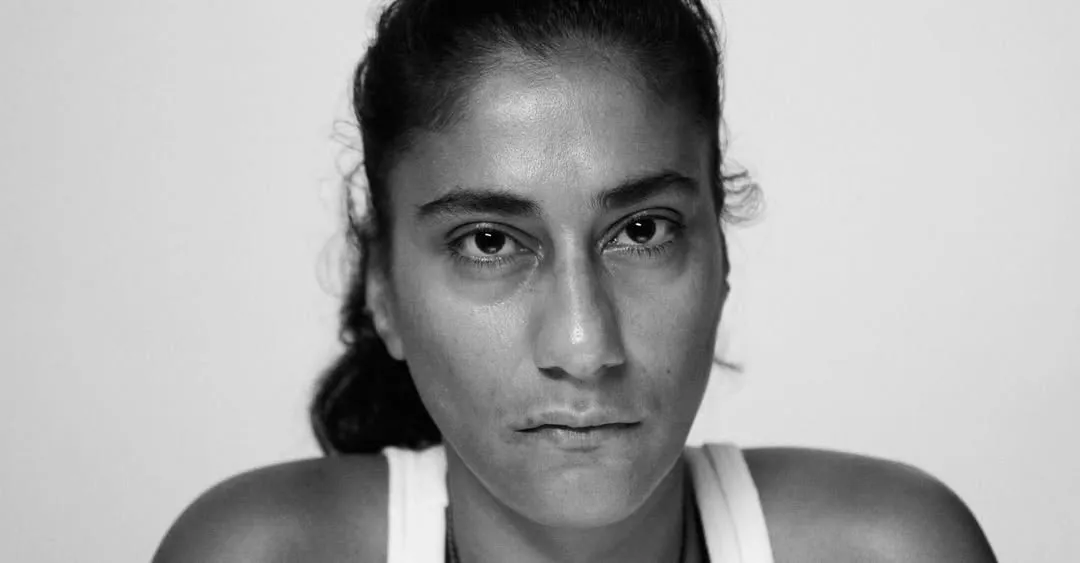
This shot was directly inspired by Carl Theodor Dreyer’s The Passion of Joan of Arc - that monumental close-up where a woman is forced to speak under pressure she does not accept. The emotional dynamic is different, but the power structure is the same: a woman confronted by men who demand words she is unwilling to say.
“For a performance that captures our attention and holds us spellbound, with subtle gestures, resolute strength, genuine passion, and a powerful presence on screen.”
Judges’ Statement, Jerusalem Film Festival – Best Actress Award for Samira Saraya
What surprised all of us is how much space this single shot eventually occupied in the film. It became a spine - a visual and emotional anchor. And it’s no accident that Samira Saraya went on to win Best Actress at the Jerusalem Film Festival for this role; the camera gave her nowhere to escape, and she delivered something devastatingly honest.
The Night Sea Sequence
The film’s micro-budget forced me to rethink equipment choices as well. I shot the entire film on the then-new Sony A7S. Its tiny size and extraordinary low-light sensitivity weren’t just convenient - they changed what was possible. With this camera, we could move freely in small apartments, shoot with minimal lighting, and create a relaxed environment for non-actors. Most importantly, we could shoot in near-total darkness and still pull out images full of tension and texture.
The best example of this is the drowning sequence at the end of the film, when Yasmin runs into the sea at night searching for Lenny. We shot it in real darkness, with no additional lights - only the faint city glow on the horizon. I placed the A7S in an underwater housing and literally ran into the water behind Samira, filming her as she fought the waves. I didn’t completely know what was being captured because I was struggling to keep myself upright while keeping the camera on her.
We pushed the camera to its limits - ISO 12,800 - and the result is a chaotic, frightening, almost primal sequence. The camera recorded everything: the water hitting us, the muffled sound, the disorientation, the real physical struggle. None of this could have been shot on traditional cameras of the time - not without huge lights, generators, and a footprint that simply wasn’t possible for this film.
Instead, we captured something truthful: real fear, real water, real chaos. The budget didn’t limit us; it forced us into authenticity.
Working Under Constraint
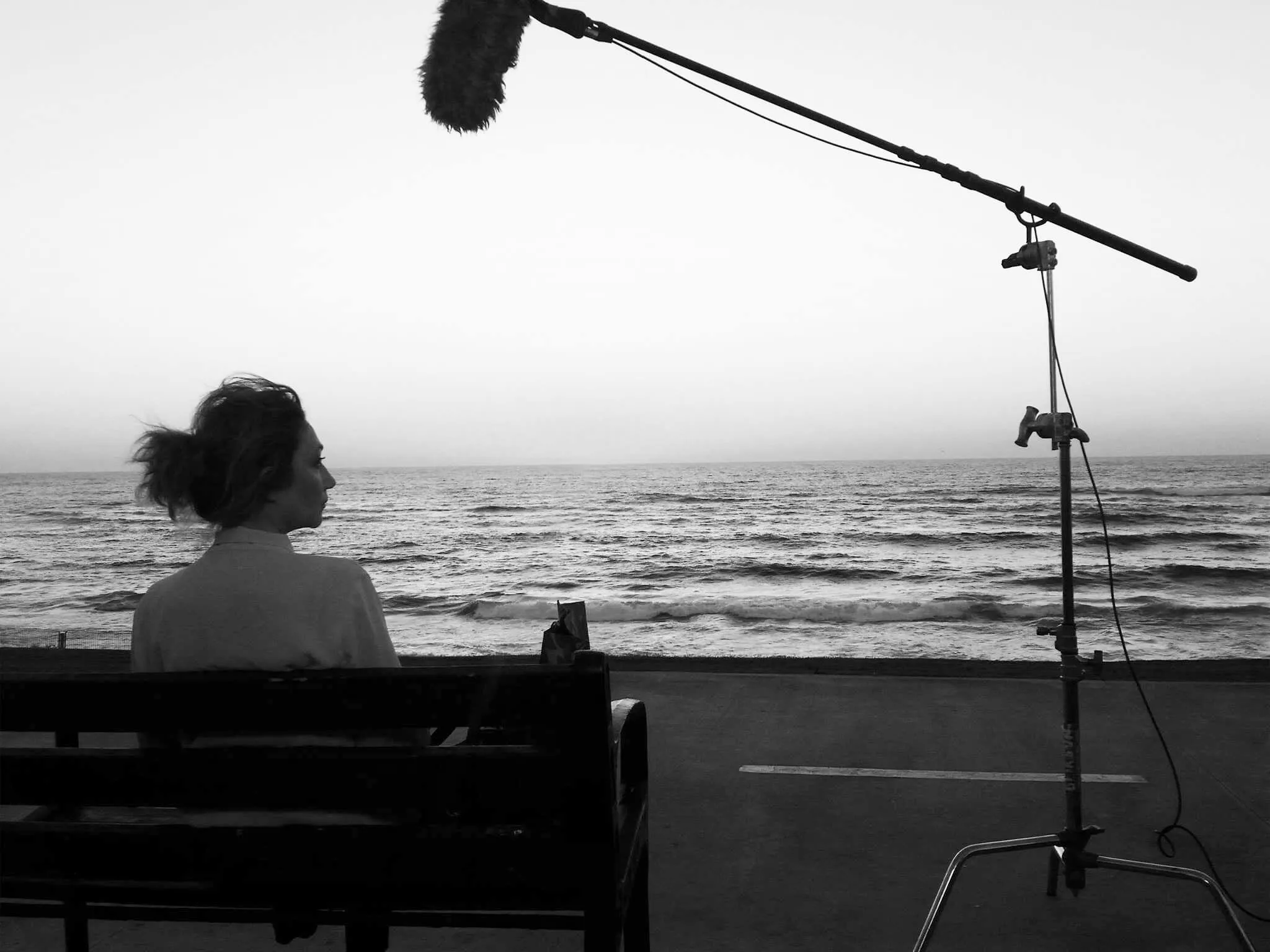
Death of a Poetess is a film where limitation became part of the meaning. Black and white brought emotional clarity. Two cameras preserved fragile, first-take truth. A small, sensitive camera allowed us to follow raw moments we could not have staged.
Working this way reaffirmed for me that cinematography is not about technical freedom, but about making precise decisions in service of the story’s emotional core. Often, the smaller the production, the more courage the image demands.
My long-term collaboration with Dana Goldberg has shaped this understanding. From her earliest short films in film school through her first feature, Alice, and later Death of a Poetess, Dana has carried a relentless personal voice — one that moves fluidly between experimental work and narrative cinema.
Choosing to make Death of a Poetess outside traditional funding structures was a conscious leap toward artistic freedom, embracing limitation as a method rather than a compromise. That leap was only possible through years of shared work, trust, and friendship. It reinforced my belief that when constraint is chosen together, it can sharpen attention, deepen intimacy, and allow emotional truth to emerge with greater force.